- Who this is for. Homeowners in San Diego County selling there and buying in Las Vegas, Summerlin or Henderson, from $500K to luxury.
- What I do. List the California home, represent you on the Nevada purchase, and read every contract as an attorney, with the search run by video and email from San Diego.
- What it costs. The consultation is free and in writing. Buyer representation is a commission stated in the buyer-broker agreement before we tour anything; in most Las Vegas deals the seller pays it. How I’m paid →
San Diego's coastal lifestyle comes with a coastal price tag. Las Vegas offers a similar climate for much of the year, significantly more home for the money, and no California state income tax after the move. Whether you're relocating full-time or adding an investment property, I coordinate both your Nevada purchase and your California sale as one advisor — broker and attorney in one.
- More home for your money — a fraction of San Diego's price per square foot
- Coordinated sale (CA) and purchase (NV) with a single point of contact
- Attorney-reviewed contracts on both ends of the transaction
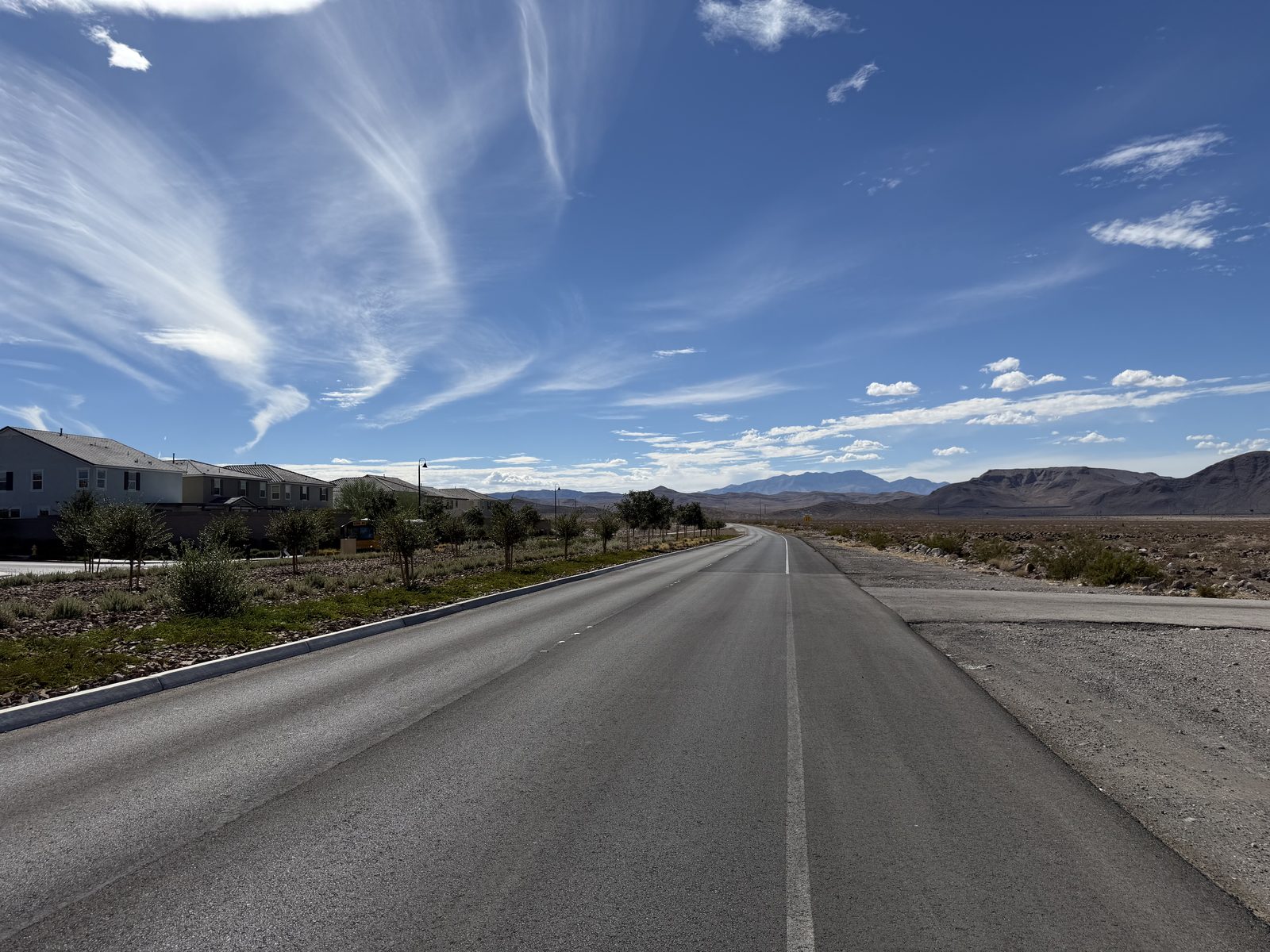
What the Move Actually Looks Like
Most people relocating from California to Las Vegas are juggling two transactions at once — selling on one side of the state line and buying on the other. Because I'm licensed as a broker in both Nevada and California, you get one accountable point of contact instead of two agents who don't talk to each other. I coordinate timing so your sale proceeds and your Nevada purchase line up, and every contract on both ends gets reviewed with an attorney's eye.
Where San Diego Buyers Tend to Land
Once here, most clients narrow to a few areas. Summerlin is the valley's largest master-planned community — over 150 parks, more than 150 miles of trails, and Red Rock Canyon at its western edge. Henderson offers a similar premium feel at a lower entry point, including guard-gated golf communities and Lake Las Vegas. Buyers who want a lock-and-leave residence often look at Strip-adjacent high-rises. See the full Las Vegas market overview →
What San Diego Equity Actually Buys Here
The spread between the two medians above is about $615,000 — a San Diego County median near $1.09 million against a Las Vegas metro median around $475,000, a little over twice the price. In practical terms a median San Diego sale covers a Las Vegas purchase at or above the valley median outright, with a substantial remainder.
San Diego sellers tend to arrive at this decision differently from Los Angeles or Bay Area sellers. The move is rarely about escaping the city; it is usually about the ratio of what the house costs to what it delivers. That matters because it changes what you should be shopping for here: clients who liked San Diego for climate and single-story living generally do better in the established valley — including Southeast Las Vegas, where the lots are larger and the streets are finished — than in the newest outlying corridors.
One practical note specific to this county: at roughly five hours by car, San Diego is far enough that most clients fly out for house-hunting but drive for the move itself. That combination shapes the search — more remote shortlisting, fewer and longer trips — and it is worth planning for rather than improvising.
Your Numbers, Side by Side
The table below is what a new buyer pays on a $1,000,000 home in San Diego County against the same purchase in Clark County. If you have owned your California home for years, your current bill is almost certainly lower than the California column because Proposition 13 froze your assessed value; the comparison that matters is what you would pay next, in either state.
| On a $1,000,000 home | San Diego County, CA | Clark County, NV |
|---|---|---|
| Annual property tax, first year | About $11,500 (roughly 1.15% all-in with voter-approved bonds; varies by tax-rate area) | About $5,000 to $8,000 (0.5% to 0.8% effective; Nevada taxes 35% of a depreciated replacement-cost value, not your purchase price) |
| Cap on annual increase | 2% a year on assessed value (Prop 13); resets to the price when the home sells | 3% a year on the bill for an owner-occupied primary residence once the abatement affidavit is on file; 8% otherwise |
| Transfer tax at closing | $1,100 county documentary transfer tax ($1.10 per $1,000), with no separate city transfer tax in the City of San Diego | $5,100 ($2.55 per $500 of price); customarily paid by the seller, negotiable |
| State income tax | 1% to 13.3%, and California continues to tax California-source income after you leave | None |
| Typical escrow | 30 to 45 days | 30 days is standard; cash can close in about two weeks |
| HOA document review | Seller delivers association documents; the review period is whatever the contract says | Statutory resale package, and the buyer may cancel within 5 calendar days of receiving it (NRS 116.4109) |
| Seller disclosure | Transfer Disclosure Statement plus Natural Hazard Disclosure | Seller’s Real Property Disclosure, delivered at least 10 days before conveyance (NRS 113.130) |
| Homestead protection | Roughly $360,000 to $720,000 of equity depending on the county, adjusted each year | $605,000 of equity with a recorded Declaration of Homestead (NRS 115.010) |
Home prices: California county medians for existing single-family homes are from the California Association of REALTORS August 2026 county sales report; the Southern Nevada median sale price is from the Las Vegas REALTORS August 2026 release; Summerlin and Henderson values are the Zillow Home Value Index (single-family, mid-tier, smoothed and seasonally adjusted) for August 2026. Other figures as of September 2026 and rounded for comparison. California property tax rates are typical totals for the county and differ by tax-rate area; Clark County rates run about $3.20 to $3.50 per $100 of assessed value depending on the city, and the effective range above comes from the 35% assessment ratio and the Nevada Department of Taxation’s replacement-cost method. Transfer tax: Nevada Department of Taxation, Real Property Transfer Tax; California Revenue & Taxation Code §11911 plus city ordinances. Statutory citations link to the Nevada Revised Statutes as in force in 2026. Confirm every figure against the current bill or the assessor before relying on it.
The residency side of the move, and the order to do things in, is on its own page: the California-to-Nevada tax and residency checklist.
Common Questions
How much cheaper is Las Vegas than San Diego County?
As of August 2026 the San Diego County median sat at roughly $1.09 million, against a Las Vegas metro median near $475,000 — well over twice the price for the median home. Even the valley's stronger submarkets stay well under it: Summerlin runs around $662,000 to $724,000 and Henderson around $497,000, measured by the Zillow Home Value Index for August 2026. The caveat is that a median is a blunt instrument. What actually matters is your specific San Diego neighborhood against a specific Las Vegas submarket, and that comparison I can run for you directly.
What about Nevada state income tax?
Nevada does not levy a state personal income tax, which is a meaningful part of the math for anyone leaving California. But whether and when it applies to you turns on residency rules and your own circumstances — that's a question for your CPA or tax attorney, not something I can advise on as a broker. If you don't have one who handles California-to-Nevada moves, I'm happy to point you to someone who does.
Can you handle both the San Diego sale and the Nevada purchase?
Yes — that's the core of what I do. I'm a licensed broker in both California and Nevada, so one advisor coordinates the sale on the San Diego side and the purchase on the Nevada side, rather than handing you off between two agents who don't talk to each other. As a California attorney, I read the contracts on both ends myself. Contract review here is brokerage work. If a California transaction has already fallen apart over an earnest money deposit, that is a matter for my separate law practice, not for this brokerage. Before the Nevada purchase, read how Nevada’s seller disclosures differ from California’s.
How far is the move, practically speaking?
San Diego County to Las Vegas is around 330 miles — about a five-hour drive, which makes weekend house-hunting trips practical. For house-hunting, San Diego International (SAN) runs nonstops to Harry Reid in about an hour. I mention it because it shapes how we run your search — how much we can do remotely and how many trips out you'll realistically want to make.
How do I start without flying out repeatedly?
We start by email to define budget, timeline, and must-haves — no phone tag required. I build a shortlist, send video walkthroughs, and only bring you out when there's a genuinely worthwhile group of homes to see in person. Most San Diego County clients make one or two trips total before they're writing an offer.
Planning a Move From San Diego County?
Send me the basics and I’ll come back with a realistic picture of what your San Diego budget buys in the Las Vegas valley.
I read and reply to every message myself, within one business day. Prefer plain email? show email address (new inquiries get a faster reply through the form).