Las Vegas draws investment capital for reasons that are easy to list: no state income tax, a property tax structure that caps annual increases, a metro median still under half a million dollars, and a visitor economy that keeps demand for housing broad. The part that is harder to list is where those advantages quietly do not apply. That is the part I am paid to know.
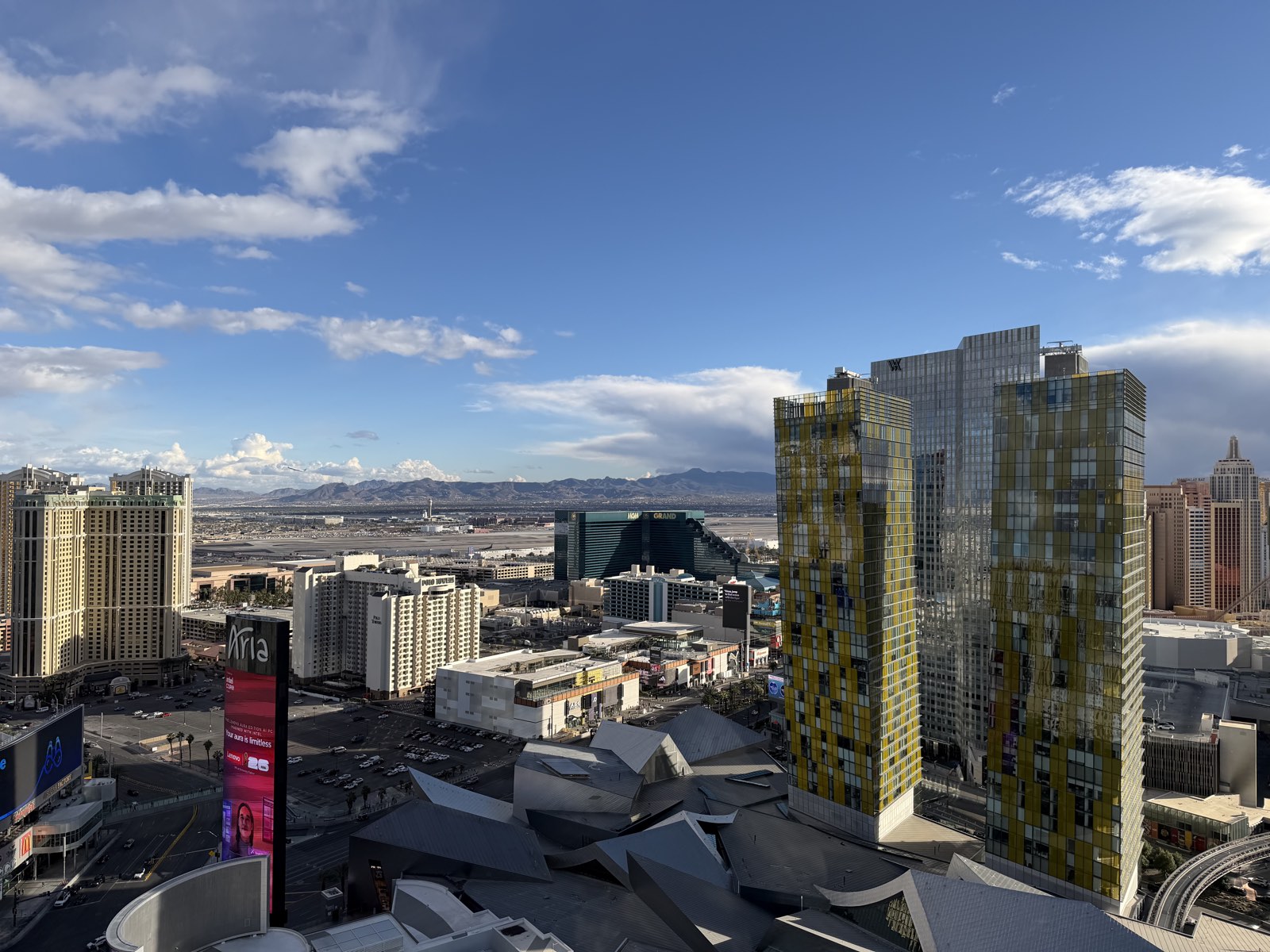
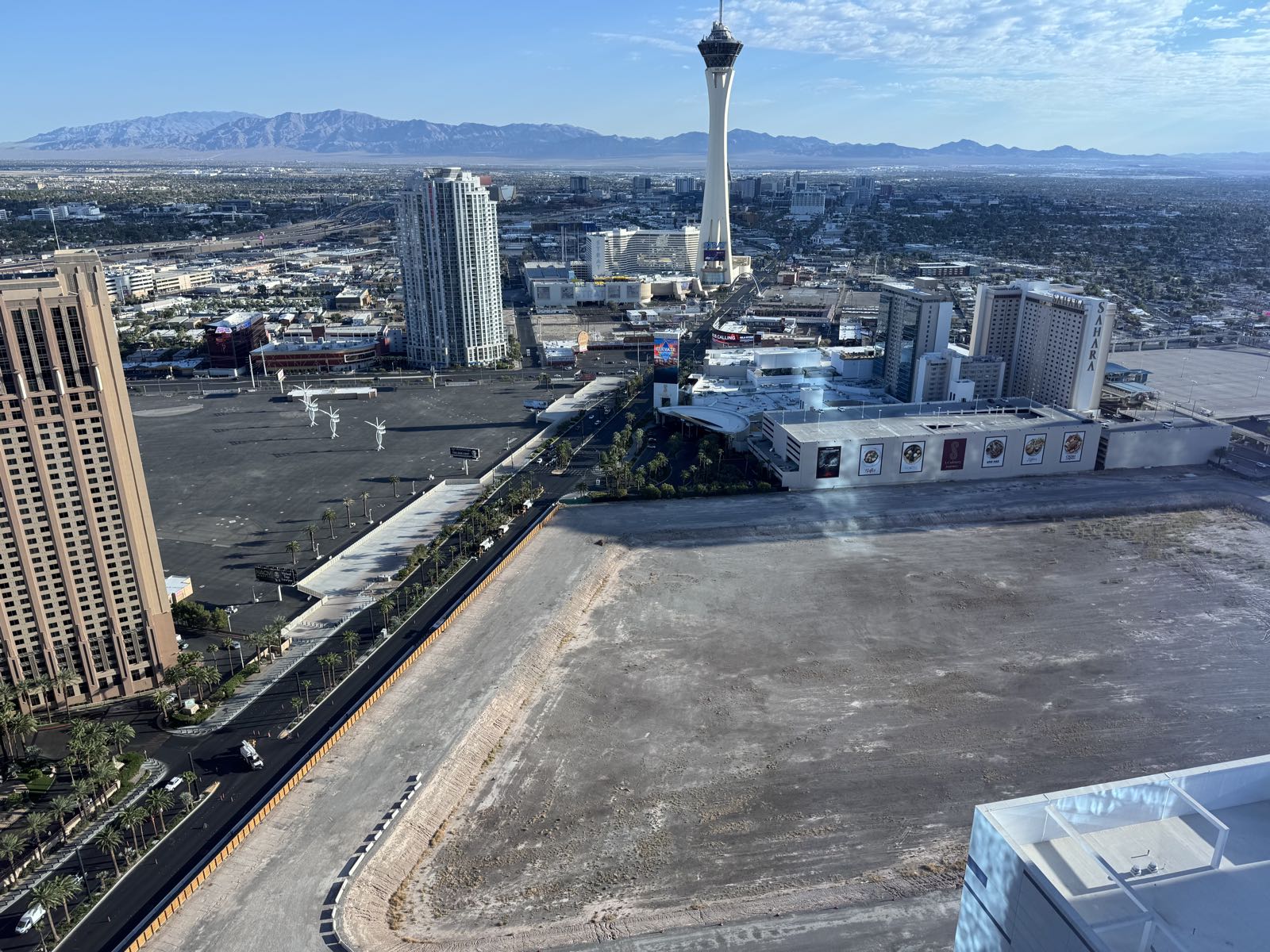
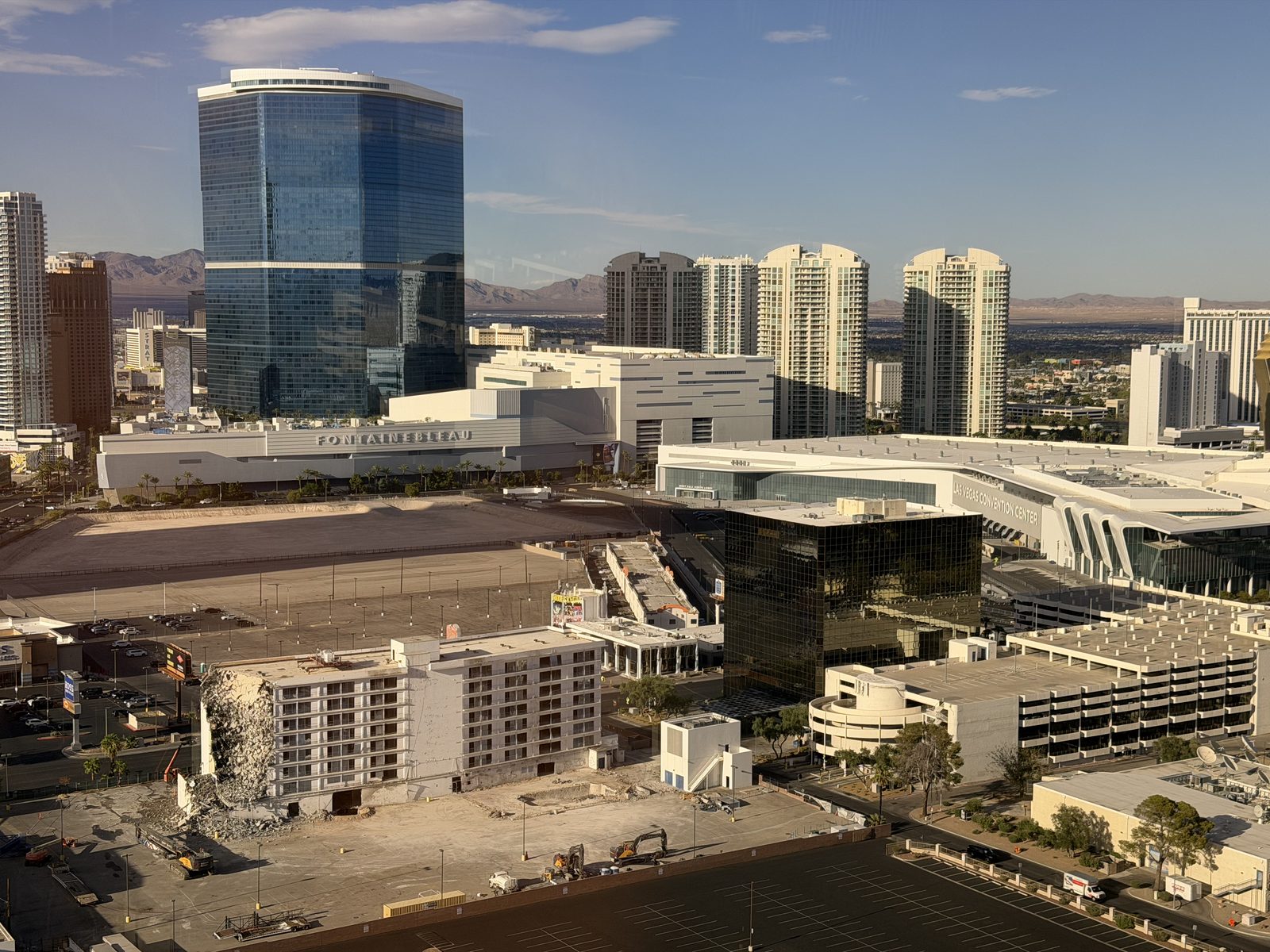
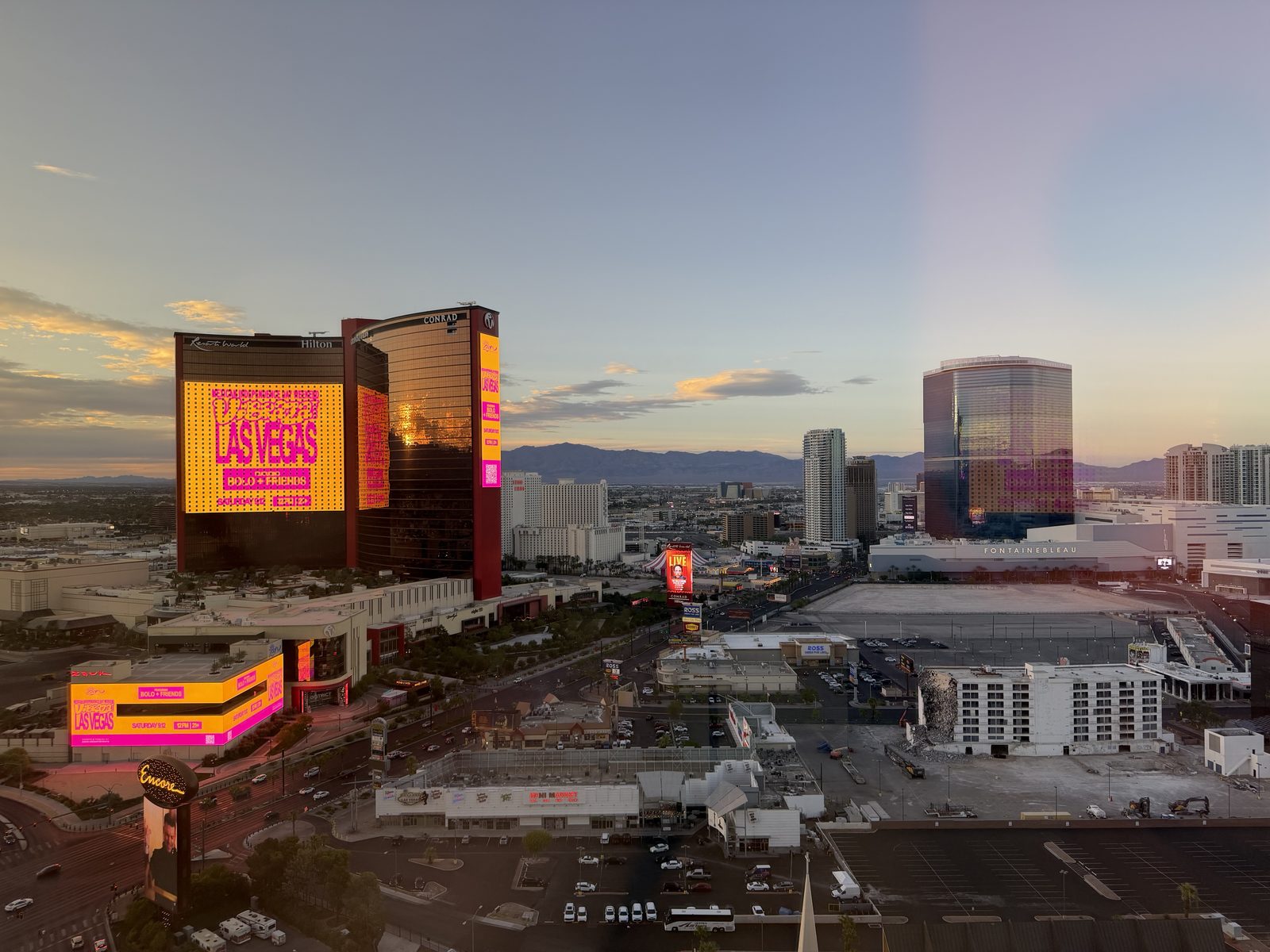
The view is the product on the north end — and the floor it comes from is priced accordingly.
The Market Investors Are Underwriting
As of September 2026, the median sale price for an existing single-family home in Southern Nevada was $470,000 (Las Vegas REALTORS monthly release), flat year over year and roughly 4 percent off the record set in May and June. Condos and townhomes ran a median of $290,000. About 8,000 single-family homes were listed without an offer at the end of September, about five months of supply, and roughly three in four homes that sold did so within 60 days. By the Zillow Home Value Index (August 2026), the typical single-family home ran about $662,000 in Summerlin North, $724,000 in Summerlin South, and $497,000 in Henderson — index values, not sale medians.
Read plainly: inventory has rebuilt, sellers are negotiating again, and the premium submarkets have held their value better than the valley as a whole. For an investor, that combination favors buying carefully rather than quickly. I publish the updated figures each month in the market report, and my current read on which submarkets support the numbers is in where mid-tier to luxury buyers are finding investment potential.
Four Ways Capital Comes Into This Market
Long-term rental, single-family or townhome
The workhorse strategy. Newer construction in the southwest valley and Skye Canyon, established streets in Southeast Las Vegas and Henderson, and townhomes across the valley at the $290,000 condo median. The variables that decide the return are the HOA’s leasing rules, the reserve fund, and the property tax cap you actually qualify for, all of which I review before you are locked in.
Strip-adjacent high-rise condo
Lock-and-leave, walkable to everything, and a completely different transaction from a suburban purchase. Resort fees, rental restrictions written into the CC&Rs, hotel-condo programs with their own revenue splits, and reserve studies for buildings with elevators and pools all move the number. Some towers permit short stays; many do not. I read the governing documents before you commit, not after.
Short-term rental
The strategy most investors arrive with, and the one that most often does not survive diligence. Rules are set separately by each jurisdiction, and they are unusually restrictive here. See the table below.
New construction and land
Builder contracts are written by the builder. Earnest money, escalation clauses, completion timelines, and the builder’s right to substitute materials all sit in documents most buyers never read past page one. A licensed attorney reads yours. Land, especially on the north Strip and in the developing corridors, is a different discipline again, and one where the south Strip development story is worth understanding before believing.
Short-Term Rentals: The Rules by Jurisdiction
“Las Vegas” is at least four different regulators. Where the parcel sits decides what is possible, and the address alone does not tell you which one applies. This is the state of play as I understand it in September 2026; every one of these rules is actively litigated or amended, so confirm the current version with the jurisdiction before underwriting an STR.
| Jurisdiction | Status | What that means for an investor |
|---|---|---|
| Unincorporated Clark County | Capped, lottery-based license program with a 1 percent cap per area; no new application window since 2023; the program is in ongoing litigation; a 2026 ordinance blocks booking platforms from processing payments for unlicensed units | Do not underwrite an STR on a county parcel unless a transferable, current license is part of the deal, and confirm that it is |
| City of Las Vegas | Permitted with a business license and planning approval; owner-occupied only, limited to three bedrooms, with distance requirements between units | A pure investment property does not qualify; this is a house-hacking model, not a portfolio model |
| Henderson | Permitted with a license and conditions on noise, parking, and occupancy | The most workable of the four, subject to the HOA |
| North Las Vegas | Licensing and safety requirements apply | Confirm current status with the city before offering |
Even where a city permits short-term rentals, the HOA usually does not. A majority of Las Vegas homes sit inside an association, and leasing minimums of 30 days to a year are common in the CC&Rs. The city license is the second gate. The association’s governing documents are the first, and I read them before you write an offer.
Property Tax: The 3 Percent and the 8 Percent
Nevada caps the annual increase in a property’s tax bill. For an owner-occupied primary residence the cap is 3 percent. For everything else, including rental property, second homes, land, and commercial buildings, the cap is up to 8 percent. The primary-residence cap has to be claimed with the county assessor, only one Nevada property per owner can carry it, and a newly built or newly converted property does not receive either cap in its first fiscal year. Some rental units that meet low-income rent limits can qualify for the 3 percent cap; that is worth checking on a specific property rather than assuming.
For an investor the practical point is simple: model the 8 percent cap, not the 3, and do not carry an owner-occupant’s tax history forward as if it will continue after you close.
Buying From Out of State
- Entity and title. Whether to hold in your own name, a Nevada entity, or an entity from your home state is a decision for your attorney and CPA. I coordinate the contract so the buyer named on it is the buyer who takes title, which is where out-of-state closings most often stumble.
- 1031 exchanges. I coordinate timelines and contract language with your qualified intermediary so the identification and closing deadlines are protected inside the purchase agreement itself.
- Remote closing. Nevada escrow can be completed without you in the room. Mobile notaries, wire protocols, and document review all run by email, which is how I prefer to work anyway.
- Management. I refer to property managers I would use myself, and I stay involved through the first lease-up when a client wants that.
- Diligence items that are non-negotiable. HOA resale package and reserve study, the Seller’s Real Property Disclosure, the current tax cap status, and any recorded leasing restriction. These four decide whether the number on your spreadsheet survives contact with the property.
What I Do and What I Do Not
As your broker I find the property, negotiate it, read every contract with an attorney’s eye, and manage the transaction to close. I do not give tax, entity, or investment advice, and I will tell you when a question belongs with your CPA or your own counsel. My California law practice, which handles seller non-disclosure, agent misconduct, and earnest-money disputes, is a separate engagement under a separate firm; it is not part of the brokerage relationship.
Common Questions
I live in California. Can I buy in Nevada without flying out?
Yes. Most of my investor clients see the property once, if at all, before closing. Video walkthroughs, third-party inspections, and document review by email carry the rest. The drive from Southern California is about four hours; the flight from anywhere in the state is about an hour.
Is Las Vegas a landlord-friendly market?
Nevada’s landlord-tenant statutes and eviction process differ materially from California’s, and most investors coming from California find them more straightforward. The specifics change with the legislative session; treat any summary, including mine, as a starting point for your own counsel.
What price bands do investors typically work in?
Townhomes and condos from the high $200,000s, single-family rentals from the $400,000s, and premium submarket homes in Summerlin and Henderson from the $600,000s upward, and the guard-gated communities above that. Strip high-rise units span an enormous range. Tell me the capital and the strategy, and I will tell you where it fits.
Do you charge investors differently?
Buyer-broker compensation is set out in a written agreement before we look at a single property, with nothing hidden in it. If you are also selling a California property to fund the purchase, one advisor handles both sides, and I will explain how that is structured before you commit to either.
Tell Me About the High-Rise You Have in Mind
Building, budget, how many nights a year you are here, and whether it needs to earn rent. I’ll come back with the dues, the rules, and whether the numbers work.
I read and reply to every message myself, within one business day. Prefer plain email? show email address (new inquiries get a faster reply through the form).